Elevating Brand Aesthetics: The Strategic Rise of the Moody Blush Rose Pattern
In the rapidly evolving landscape of visual communication, the choice of texture and pattern is no longer merely a decorative afterthought; it is a fundamental component of brand identity and user experience. Among the myriad of design trends emerging to meet the demands of a sophisticated digital audience, the Moody Blush Rose Pattern has carved out a significant niche. This aesthetic represents a convergence of emotional resonance and technical precision, offering creators and entrepreneurs a versatile tool to convey depth, elegance, and modernity.
Defining the Aesthetic: Beyond Simple Florals
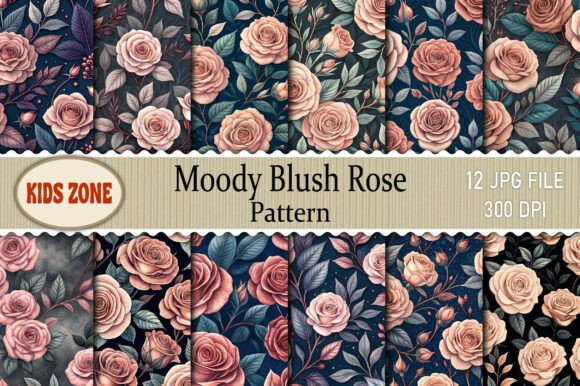
To understand the impact of this trend, one must first define what constitutes the Moody Blush Rose Pattern. Unlike traditional floral motifs that rely on bright, saturated colors and stark contrasts, this style operates within a more nuanced spectrum. It combines the softness of blush tones with darker, shadowed undercurrents—hence the term "moody." The result is a visual texture that feels both organic and curated, possessing a sense of history and tactility that flat design often lacks.
The pattern typically features high-resolution details where the interplay of light and shadow creates a three-dimensional effect on a two-dimensional plane. When professionals utilize assets such as the 12 High-Quality JPG files available in premium collections, they are accessing imagery rendered at 300 DPI. This resolution is critical, as it ensures that the subtle gradients and intricate petal structures remain crisp whether viewed on a retina display or printed on large-format marketing collateral measuring 12 x 12 inches or larger.
Market Trends and Consumer Psychology
The surge in popularity of the Moody Blush Rose Pattern is not an isolated phenomenon but rather a reflection of broader shifts in consumer psychology and market preferences. In an era dominated by sleek, minimalist interfaces and sterile corporate aesthetics, there is a growing hunger for warmth and authenticity. Consumers are increasingly drawn to brands that project humanity and emotional intelligence.
This pattern fits seamlessly into the "new luxury" paradigm, where exclusivity is defined not by opulence alone, but by sophistication and restraint. For marketers and freelancers, incorporating this aesthetic signals an understanding of contemporary taste. It suggests a brand that is confident enough to embrace complexity and dark tones while maintaining the approachability of soft pink hues. This duality allows businesses to target a demographic that values both professionalism and creative flair.
Furthermore, the trend aligns with the movement towards "slow design" and sustainability. The organic nature of the rose motif, when presented with a moody, earthy palette, evokes a connection to nature and timelessness. This is particularly relevant for industries such as wellness, boutique hospitality, artisanal goods, and high-end fashion, where the narrative of the product is just as important as the product itself.
Adapting Workflows for High-Impact Visuals
The integration of high-fidelity patterns like the Moody Blush Rose Pattern necessitates a shift in how creators manage their digital workflows. The days of using low-resolution web scraps are over; the expectation for quality has never been higher. Professionals now require assets that are ready for immediate deployment across multiple channels without compromising integrity.
When a designer downloads a collection containing 12 unique variations of a pattern, they are essentially acquiring a modular design system. These files allow for:
- Versatile Application: From website backgrounds and social media story highlights to physical packaging and event invitations.
- Consistency: Maintaining a cohesive visual language across all touchpoints of a customer journey.
- Efficiency: Reducing the time spent on creating textures from scratch, allowing focus to remain on layout and typography.
It is important to note that these resources are typically delivered as digital products. Upon purchase, the user receives a single Zip File containing the entire suite of assets. This method of distribution underscores the immediacy of the modern creative economy. There are no physical items to ship; the value is entirely in the data, accessible instantly to fuel projects regardless of geographic location. This digital-first approach supports the agile workflows of remote teams and solo entrepreneurs who need to iterate quickly.
Practical Applications Across Industries
The utility of the Moody Blush Rose Pattern extends far beyond simple decoration. Its application can be observed in several key sectors where visual storytelling drives engagement:
- Digital Marketing and Social Media: In the crowded feeds of Instagram and Pinterest, static images often fail to capture attention. Using a moody rose pattern as a backdrop for text overlays or product showcases creates an instant atmosphere of elegance. The high contrast between the deep shadows and the blush highlights ensures that white or gold typography remains legible and striking.
- Packaging Design: For e-commerce brands, the unboxing experience is a crucial moment of brand reinforcement. Printing these 300 DPI patterns on tissue paper, box liners, or sticker seals elevates the perceived value of the contents. The tactile quality implied by the visual depth of the pattern enhances the sensory experience of the customer.
- Web and UI Design: While heavy textures were once frowned upon in web design, modern bandwidth capabilities and rendering engines allow for rich backgrounds that do not compromise load times when optimized correctly. A subtle implementation of the Moody Blush Rose Pattern in a hero section or footer can break the monotony of flat color blocks, adding a layer of sophistication to the user interface.
- Print Media and Editorial: Magazines, lookbooks, and annual reports benefit from the print-ready nature of these files. The 12 x 12 inch dimensions provide a perfect tile size that can be scaled or repeated to cover full spreads without visible pixelation or loss of detail.
The Importance of Resolution and Format
A critical aspect of leveraging this trend effectively lies in understanding the technical specifications of the assets. The distinction between screen resolution (72 DPI) and print resolution (300 DPI) is paramount. Many free resources found online lack the fidelity required for professional output. By investing in a curated pack of 12 High-Quality JPG files, creators ensure that their final output meets industry standards.
The JPG format, while common, offers a balance of file size and quality that is ideal for photographic textures. When these files are generated at 300 DPI, they retain the fine grain and color gradation necessary to make the "moody" aspect of the design feel authentic rather than muddy. This level of detail is what separates amateur designs from professional-grade work. It allows the pattern to breathe, giving the viewer's eye a place to rest while still providing visual interest.
Future-Proofing Your Creative Assets
As we look toward the future of design, the demand for assets that bridge the gap between digital and physical realms will only intensify. The Moody Blush Rose Pattern is well-positioned to remain relevant because it is rooted in classic botanical imagery while being interpreted through a contemporary, atmospheric lens. It avoids the trap of being overly trendy in a way that dates quickly; instead, it leans into timeless elements of color theory and composition.
For entrepreneurs and freelancers, building a library of such assets is a strategic move. It reduces dependency on stock photography that everyone else is using and allows for the creation of a unique visual signature. When a brand consistently uses a specific palette and texture profile, it builds recognition and trust with its audience.
Moreover, the accessibility of these digital downloads democratizes high-end design. Small businesses and independent creators can access the same quality of visual resources as large agencies, leveling the playing field. The ability to download a Zip File and immediately begin integrating professional-grade textures into a project empowers creators to execute their visions without prohibitive costs or delays.
Conclusion: Embracing Depth in Design
The adoption of the Moody Blush Rose Pattern is more than a stylistic choice; it is a statement about the direction of modern branding. It reflects a desire for depth, emotion, and high-quality execution in a world that often prioritizes speed over substance. By utilizing high-resolution, thoughtfully designed assets, professionals can create experiences that resonate on a deeper level with their audiences.
Whether used to enhance a digital campaign, elevate a product package, or define a brand's visual identity, this pattern offers a robust solution for today's creative challenges. As the market continues to evolve, those who understand the power of nuanced aesthetics and invest in quality digital resources will find themselves ahead of the curve. The journey to discovering more unique artwork begins with recognizing the value of these detailed, mood-setting elements. For those ready to transform their visual strategy, exploring further collections and following updates from top creators is the next logical step to staying inspired and competitive.
Remember, in the digital age, your visuals are your handshake. Make sure they convey the professionalism and artistry that your brand stands for. With tools like the Moody Blush Rose Pattern at your disposal, the potential for creating stunning, memorable work is limitless.