Unlocking Creativity: The Complete Guide to Valentine Hand-Drawn Digital Paper
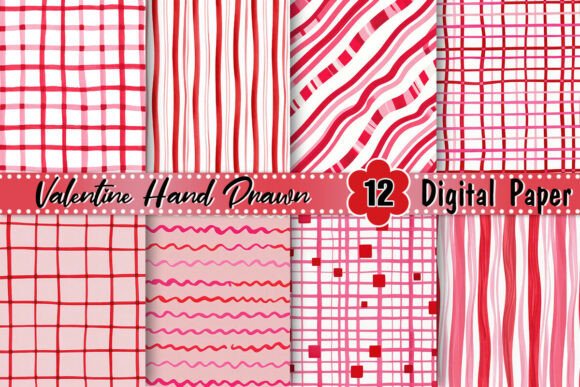
In the vibrant world of digital design, few elements carry as much emotional weight and aesthetic charm as Valentine hand-drawn digital paper. Whether you are a seasoned graphic designer, a small business owner crafting unique marketing materials, or a hobbyist creating personalized gifts, understanding the value of high-quality digital assets is essential. This guide explores the intricacies of these specific digital resources, focusing on a collection of 12 JPG digital images designed with a non-seamless, hand-drawn aesthetic at a professional 300 DPI resolution.
By diving deep into what makes these files special, how they differ from standard patterns, and where they fit into modern creative workflows, we can better appreciate their role in celebrating love and creativity during the Valentine's season and beyond.
What Exactly Is Hand-Drawn Digital Paper?
To understand the significance of this product, we must first define the medium. Digital paper refers to image files that simulate the look and feel of traditional scrapbooking paper, textiles, or painted backgrounds. However, unlike physical paper, these exist entirely in the digital realm, ready to be integrated into software like Adobe Photoshop, Canva, Procreate, or Microsoft Word.
The term "hand-drawn" is the crucial differentiator here. In an era dominated by perfect geometric vectors and algorithmic generative art, hand-drawn textures offer something profoundly human. They contain slight imperfections, organic line weights, and a warmth that computer-generated patterns often lack. When applied to a Valentine theme, this style evokes nostalgia, romance, and a personal touch that resonates deeply with viewers. It suggests that care was taken in the creation process, mirroring the care one puts into a gift for a loved one.
The Significance of Resolution: Why 300 DPI Matters
One of the most technical yet vital aspects of this product bundle is its resolution: 300 DPI (Dots Per Inch). For beginners, this number might seem arbitrary, but it is the gold standard for print quality.
- 72 DPI: Typically used for screen-only displays (like websites). If you try to print a 72 DPI image, it will appear pixelated, blurry, and unprofessional.
- 300 DPI: The industry standard for high-quality printing. This ensures that whether you are printing a small greeting card or a large poster, the lines remain crisp, and the colors stay vibrant.
When purchasing digital assets for physical products—such as invitation cards, gift tags, or wall art—ensuring the file is 300 DPI is non-negotiable. This specific collection guarantees that your Valentine's projects will look just as beautiful in print as they do on your monitor.
Understanding Non-Seamless Patterns
A common point of confusion for new designers is the difference between seamless and non-seamless patterns. Most digital papers sold online are seamless, meaning they can be tiled infinitely without visible edges. However, this product features non-seamless designs.
Why choose non-seamless? The answer lies in artistic composition. A non-seamless image is a standalone piece of art. It might feature a central cluster of hand-drawn hearts, a watercolor wash that fades at the edges, or a specific arrangement of flowers that tells a story. These are not meant to be repeated endlessly to fill a background; rather, they are intended to be used as:
- Focal Points: Placed centrally on a card or invitation.
- Layered Elements: Used as a texture overlay on top of solid colors.
- Cut-Out Assets: Isolated and used as individual stickers or embellishments in digital planning.
Understanding this distinction helps users maximize the utility of the 12 JPG images included in the pack. Instead of trying to force them into a repeating background, creators can treat each file as a unique illustration.
The Versatility of the JPG Format
The product specification notes that these images come in JPG format. While professional designers often prefer PNGs for transparency or TIFFs for maximum data, JPG remains the most universally compatible format.
This accessibility means that you do not need expensive software to use these files. They can be opened on smartphones, tablets, and basic home computers. For educators creating Valentine's Day worksheets, parents making homemade cards, or entrepreneurs listing items on Etsy, the JPG format removes technical barriers, allowing anyone to start creating immediately.
Practical Applications in Modern Life and Business
The utility of Valentine hand-drawn digital paper extends far beyond simple holiday greetings. Let's explore how these assets fit into various sectors of modern life.
1. Small Business and E-Commerce
For shop owners selling handmade goods, packaging is everything. Using these high-resolution digital papers to design custom gift tags, thank-you cards, or box liners can elevate a brand's perceived value. The hand-drawn aesthetic aligns perfectly with the "artisanal" and "boutique" vibes that many consumers seek today.
2. Education and Classroom Activities
Teachers can utilize these images to create engaging Valentine's Day activities. From designing certificates of appreciation for students to creating visual aids for lessons on emotions and relationships, the warm, inviting nature of hand-drawn art fosters a positive learning environment.
3. Digital Planning and Journaling
The rise of digital planning on iPads and tablets has created a massive demand for decorative elements. These 12 images can be imported into apps like GoodNotes or Notability to decorate daily logs, memory keeping pages, or gratitude journals throughout February.
4. Social Media Content
Influencers and content creators constantly need fresh visuals. These digital papers serve as excellent backgrounds for Instagram stories, Pinterest pins, or Facebook posts. The unique, non-repeating nature of the designs ensures that content stands out in a crowded feed.
Common Misunderstandings and Best Practices
To ensure you get the most out of your purchase, it is helpful to clarify a few common assumptions.
Misconception: "I can stretch these images to fit any size."
Reality: Even at 300 DPI, every image has a maximum print size. Stretching a small JPG too large will result in quality loss. Always check the pixel dimensions before designing large-format prints.
Misconception: "Non-seamless means I can't use them as backgrounds."
Reality: You absolutely can! You simply place the image on a canvas and fill the remaining space with a coordinating solid color or a subtle gradient. This often creates a more sophisticated look than a busy, tiled pattern.
Best Practice: Always work on a copy of the original file. Since these are JPGs, repeated saving and editing can degrade quality over time due to compression. Keep the original 12 files safe in a dedicated folder.
Building a Broader Creative Toolkit
Incorporating Valentine hand-drawn digital paper into your workflow is about more than just having pretty pictures; it is about expanding your creative vocabulary. By understanding the nuances of resolution, format, and pattern types, you gain the confidence to mix and match elements effectively.
Consider combining these hand-drawn textures with modern typography. The contrast between the organic, imperfect lines of the drawings and clean, sans-serif fonts creates a visually striking balance that is very popular in contemporary design. Furthermore, experimenting with blending modes in photo editing software can change the mood of these papers entirely, turning a bright red heart pattern into a vintage, sepia-toned memory.
The Emotional Connection of Hand-Drawn Art
Ultimately, the power of this product lies in its ability to convey emotion. In a digital age where communication is often swift and impersonal, taking the time to design something using hand-drawn elements signals effort and sincerity. Whether it is a wedding invitation, a corporate Valentine's event flyer, or a simple note to a friend, the texture and style of these images bridge the gap between the digital and the tangible.
As you explore the 12 unique images in this collection, remember that they are tools for storytelling. Each stroke and shade offers an opportunity to express affection, celebrate connection, and bring a touch of handmade warmth to your digital projects. By mastering how to use these assets effectively, you not only enhance your designs but also deepen the impact of the messages you share with the world.
So, download your files, open your favorite design program, and let the creativity flow. The perfect Valentine's project is waiting to be made.