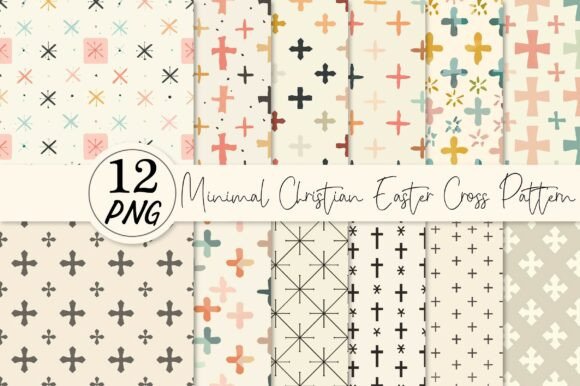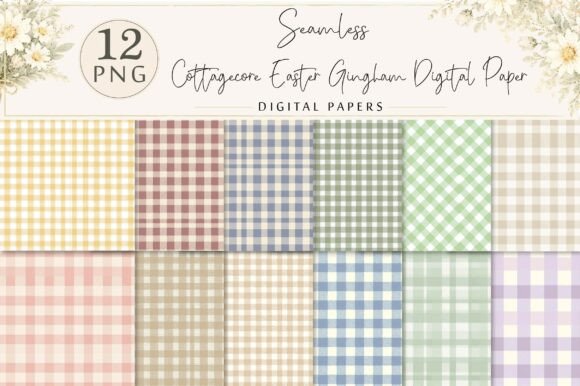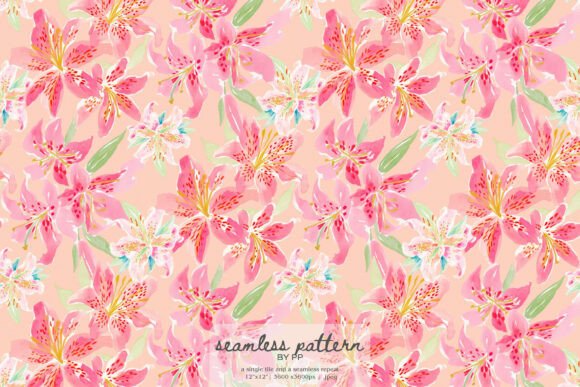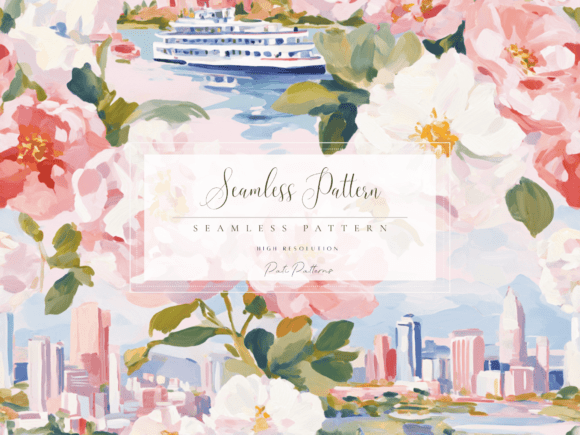
Unlocking the Charm of a Storybook Easter Pattern for Your Spring Projects
There is a specific kind of magic that happens when you find the perfect design element for a spring project. It isn't just about color; it is about narrative. A Storybook Easter Pattern brings that narrative to life, blending vintage aesthetics with whimsical details like bunny farms, cottage gardens, and delicate eggs. For creators ranging from hobbyist sewists to professional product designers, these illustrations offer a shortcut to high-quality, emotive design. However, integrating digital assets into physical or commercial products requires more than just a quick download. Many enthusiasts rush into using these files without understanding the technical nuances, often leading to frustrating results in print quality or licensing compliance.
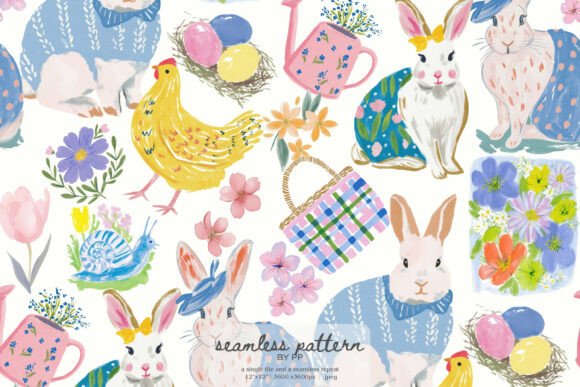
The appeal of this specific style lies in its versatility. The soft pastel palette and seamless nature make it ideal for fabric printing, nursery wallpaper, baby shower invitations, and seasonal packaging. When you acquire a set that includes both a single tile and a pre-combined four-tile version, you are getting flexibility. Yet, a common misunderstanding arises regarding how these tiles function. Beginners often assume that the "seamlessly repeated version" is the only file they need. In reality, having the single 12"x12" tile is crucial for certain design software workflows where you need to control the repeat manually or adjust the scale without losing resolution. Relying solely on the larger combined file can limit your ability to tweak the pattern density for different mediums, such as scaling down for a small gift tag versus scaling up for a bolt of fabric.
Navigating Resolution and Print Quality Pitfalls
One of the most frequent errors creators make involves ignoring the relationship between DPI (dots per inch) and physical dimensions. The pattern described here comes at 300 DPI, which is the gold standard for professional printing. However, users sometimes stretch these images beyond their intended 12"x12" boundaries in their design software, expecting the quality to hold. When you enlarge a raster image (like a .jpeg) beyond its native pixel dimensions, you introduce pixelation. This results in blurry edges on those cute vintage bunnies and jagged lines in the cottage garden details, ruining the "storybook" feel.
To avoid this, always check the actual pixel dimensions before placing the image in your layout. At 3600x3600 pixels, you have plenty of room for a 12-inch print, but if your project requires a larger backdrop, do not simply drag the corner handles. Instead, look for tiling options in your software that allow you to repeat the single tile logically, or ensure your printer can handle the specific file size without compression artifacts. Another overlooked detail is the file format. Since these patterns are provided as .jpeg files without transparent backgrounds, they are not suitable for overlaying directly onto colored fabrics or complex backgrounds without a white box appearing around the design. Professionals know to anticipate this; if you need the bunnies to float on a navy blue dress, you must either choose a fabric base that matches the white background of the jpeg or use editing software to remove the background—a task that can be time-consuming with detailed illustrations.
Choosing the Right Application for Seamless Designs
Selecting the right medium is just as important as handling the file correctly. A mistake many small business owners make is assuming a pattern perfect for paper crafts will translate identically to textiles. Fabric absorbs ink differently than cardstock. The soft pastels in a vintage bunny farm seamless design might appear vibrant on glossy invitation paper but could look washed out on unbleached cotton if the printer's color profile isn't adjusted. Before committing to a large production run, always order a swatch or a test print. This simple step saves money and prevents the disappointment of receiving bulk materials that don't match your brand's quality standards.
Furthermore, consider the scale of the motif relative to the end product. A pattern filled with intricate cottage garden details and small spring nursery animals might look breathtaking on a wallpaper roll where the eye can travel across the scene. However, if you apply that same scale to a small baby bib or a pouch, those details can become a muddy mess. The solution is to utilize the single tile version to create a smaller scale repeat if your software allows, or to crop specific elements (like a single egg or bunny) to feature as a focal point rather than using the full busy background. This approach ensures the design remains legible and charming regardless of the item size.
Licensing and Commercial Use Considerations
For entrepreneurs and freelancers, the legal aspect of using digital art is non-negotiable yet frequently misunderstood. Just because you purchased a digital download does not automatically grant you unlimited commercial rights. Many creators overlook the specific license terms attached to a Storybook Easter pattern. Some licenses allow for personal use only, while others permit selling finished physical goods (like sewn dresses or printed cards) but prohibit reselling the digital file itself or using the art for print-on-demand services where the customer receives the raw design. Ignoring these distinctions can lead to copyright strikes or account suspensions on marketplaces.
Always read the license agreement included with your download. If it is not clear, contact the creator before launching a product line. A proactive approach protects your business reputation. Additionally, think about your target audience. While the whimsical style appeals broadly to adults aged 20–50 looking for nostalgic spring decor, ensure your marketing reflects the specific vibe of the art. Describing it as "modern minimalist" when it is actually "vintage whimsical" creates a disconnect that confuses buyers and leads to returns. Accurate descriptions build trust and ensure the right customers find your creations.
Ultimately, working with high-quality digital patterns is about preparation and attention to detail. By respecting the technical limits of the file, understanding the nuances of your chosen medium, and adhering to licensing rules, you transform a simple image download into a professional-grade asset. Whether you are crafting a one-of-a-kind heirloom for a grandchild or launching a seasonal collection for your boutique, taking the time to evaluate these factors ensures your final product honors the charm of the original illustration. Let the storybook aesthetic inspire your work, but let your knowledge guide the execution.