Exploring the Charm of the Green Apple Plum Pattern in Modern Design
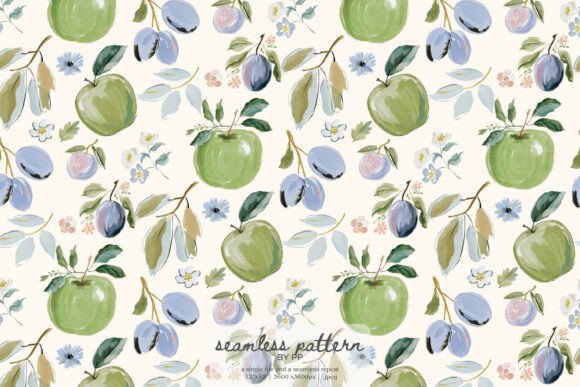
In the ever-evolving world of digital art and textile design, few trends have captured the collective imagination quite like the cottagecore fruit print. At the heart of this aesthetic lies a specific, delightful motif: the Green Apple Plum Pattern. This design style is more than just a collection of images; it is a visual language that speaks to nostalgia, nature, and the comforting simplicity of rural life. Whether you are a graphic designer looking for your next project, a small business owner seeking unique branding, or a hobbyist interested in fabric design, understanding the nuances of this watercolor fruit pattern can open up a world of creative possibilities.
This article aims to demystify the elements that make this pattern so effective. We will explore its artistic roots, its practical applications in modern commerce, and the technical specifics that ensure high-quality results in both digital and physical formats.
The Artistic Essence: Watercolor and Cottagecore
To truly appreciate the Green Apple Plum Pattern, one must first understand the two primary forces that shape it: the medium of watercolor and the philosophy of cottagecore.
The Softness of Watercolor
Watercolor painting is renowned for its transparency and fluidity. Unlike oil or acrylic paints, which can offer thick, opaque coverage, watercolors allow the white of the paper (or the digital canvas) to shine through. In the context of a botanical repeat tile, this creates a sense of lightness and airiness. When artists depict green apples and plums using this technique, the resulting colors are often soft, blended, and organic. There are no harsh lines; instead, edges bleed slightly, mimicking the way light hits real fruit in a garden. This "hand-painted" look is crucial because it adds a human touch that vector graphics often lack.
The Cottagecore Aesthetic
Cottagecore is a cultural movement and aesthetic that celebrates an idealized version of rural life. It emphasizes baking, gardening, foraging, and a slow pace of living. Within this framework, fruit is not just food; it is a symbol of harvest, abundance, and connection to the earth. A plum seamless pattern fits perfectly here because plums and apples are traditional orchard fruits. They evoke memories of summer picnics, homemade jams, and grandmother's kitchen. By combining these fruits with delicate florals, the design creates a narrative of a thriving, gentle ecosystem.
Technical Specifications: What Makes a Pattern Usable?
While the artistic vision is vital, the technical execution determines whether a pattern is merely a pretty picture or a functional asset for designers. When downloading or creating a kitchen fabric design based on this theme, several technical factors come into play.
- Resolution and DPI: High-quality prints require high resolution. The standard for professional printing is 300 dots per inch (DPI). A pattern sized at 12" x 12" with 300 DPI ensures that when the image is printed on fabric or paper, the details of the watercolor texture remain crisp, without pixelation.
- Seamless Repetition: The magic of a pattern lies in its ability to repeat indefinitely without visible breaks. A "seamless tile" means that the right edge of the image matches perfectly with the left edge, and the top matches the bottom. This allows designers to cover large surfaces, such as bolts of fabric or wrapping paper rolls, continuously.
- File Formats: Most commercial patterns are delivered in JPEG format. It is important to note that standard JPEGs do not support transparent backgrounds. This means the pattern comes with a solid background color (often white or cream), which is ideal for opaque materials like cotton fabric or cardstock but requires careful layering if used in complex digital composites.
Understanding the Deliverables
When acquiring a premium asset like the Green Apple Plum Pattern, users typically receive multiple versions to maximize flexibility. A common package includes:
- The Single Tile: This is the fundamental building block (e.g., 12" x 12"). It is used by software programs to generate the repeat automatically.
- The Pre-Repeated Version: Often, creators provide a larger file where the tile has already been repeated (e.g., 4 tiles combined into a 24" x 24" or similar large format). This is incredibly helpful for users who want to visualize how the pattern looks over a larger area immediately, without needing to use complex design software to tile it themselves.
Practical Applications in Modern Life and Business
The versatility of the Green Apple Plum Pattern extends far beyond simple decoration. Its application spans various industries, proving that traditional aesthetics have a robust place in the modern economy.
Fabric and Home Decor
Perhaps the most natural home for this design is in kitchen fabric design. Imagine aprons, tea towels, or tablecloths adorned with soft green apples and deep purple plums. These items bring a sense of warmth and domestic joy to a space. Furthermore, this pattern is increasingly popular in upholstery for accent chairs or curtains in sunrooms, bridging the gap between indoor comfort and the outdoor garden.
Branding and Packaging
For small businesses, particularly those in the food, beverage, or artisanal sectors, branding is everything. A bakery selling plum tarts or an orchard selling heirloom apples can utilize this watercolor fruit pattern on their packaging. Wrapping paper, box liners, and sticker designs featuring this motif instantly communicate values of freshness, handmade quality, and natural ingredients. It tells a story before the customer even opens the product.
Digital Projects and Education
In the digital realm, these patterns serve as excellent backgrounds for websites, blogs, and social media graphics. Educators creating materials for children might use these friendly, recognizable fruit shapes to teach about nutrition, seasons, or biology. The approachable nature of the watercolor style makes complex topics feel less intimidating and more engaging.
Common Misunderstandings and Tips for Success
Despite its popularity, there are a few misconceptions surrounding the use of seamless patterns that beginners should be aware of.
Misconception 1: "Any image can be a pattern."
Many assume they can simply copy and paste an image of an apple repeatedly. However, without careful planning of the negative space and edge alignment, this results in obvious grid lines and awkward gaps. A true botanical repeat tile is engineered so that the eye flows naturally across the seams, unaware of where one tile ends and the next begins.
Misconception 2: "Transparent backgrounds are always better."
While transparency is useful for overlaying images, many users are disappointed to find that a high-resolution plum seamless pattern does not have a transparent background. In the context of fabric printing, a solid background is often preferred to ensure the color consistency of the material. For digital use, the solid background can act as a unifying base color, preventing clashing underlying layers.
Misconception 3: "High resolution guarantees good print quality on all materials."
Even with a 3600x3600 pixel file at 300 DPI, the final result depends on the printing method. Digital fabric printing differs from offset paper printing. Understanding the substrate (the material being printed on) is just as important as the file quality itself.
Conclusion: Embracing the Fruitful Aesthetic
The Green Apple Plum Pattern represents a harmonious blend of artistic tradition and modern utility. It captures the fleeting beauty of a summer harvest through the timeless medium of watercolor, packaging it into a functional tool for creators worldwide. Whether utilized for a charming cottagecore fruit print on a dress, a sophisticated brand identity for a local jam maker, or a cheerful backdrop for a digital invitation, this pattern offers endless potential.
By understanding the technical requirements—such as the necessity of 300 DPI resolution, the mechanics of seamless tiling, and the implications of file formats—designers and enthusiasts can leverage this asset to its fullest extent. As we continue to seek connections to nature and simpler times in our fast-paced digital lives, designs like these remind us to pause, appreciate the small details, and find joy in the organic shapes of the world around us.
For those ready to incorporate this aesthetic into their work, remember that the key lies in respecting the integrity of the hand-painted style while applying it with technical precision. The result is a design that feels both vintage and fresh, ready to adorn the products and projects of tomorrow.